THE DIGBETH MASSIVE
BIRMINGHAM'S GRAFFITI WONDERLAND
A PHOTOGRAPHER'S BEAUTIFUL NIGHTMARE
An extraordinary collection of street art, graffiti, industrial decay, questionable poetry and enough aerosol paint to make Dulux consider relocating
Digbeth. Digbeth. Digbeth………..
You seem to be my new photographic muse.
I have travelled the world photographing street art and graffiti, visiting some of the most celebrated urban art destinations on the planet, then it turns out that one of the most extraordinary graffiti locations I've ever encountered was sitting just a few hours from home.
A small industrial district on the outskirts of Birmingham. Less than half a mile of streets, railway arches and industrial buildings, centred around the rather infamous Custard Factory.
Who'd have bloody thought?
When you arrive in Digbeth, it literally takes your breath away. Not necessarily in the romantic, picturesque, let's-have-a-glass-of-Prosecco sort of way. More in the WHAT THE ACTUAL F*CK HAVE I JUST WALKED INTO sort of way…….. and what is that smell exactly??
It's can only be described as claustrophobic. Every conceivable surface has graffiti of some description. Walls, buildings, windows, bridges, railway structures, canal banks, floors, lamp posts, precariously high ledges and surfaces that frankly shouldn't be accessible without specialist climbing equipment.
There is nowhere to look without seeing something that somebody has sprayed, scrawled, painted or generally defaced.
Not one surface appears to have been spared.
Even the bloody lamp posts have got something to say.
And the quality? Well, that's where things get shall we say “interesting”
Some of the street art and graffiti in Digbeth is absolutely world-class. I mean genuinely extraordinary. Some of the finest work I've seen anywhere in the world. Incredible colour, technical ability, imagination and artistic talent.
And then, inevitably, it deteriorates.
Quite spectacularly in places………
From breathtaking pieces of urban art to tagging, scrawling and what can only be described as somebody having an artistic nervous breakdown with a busted spray can.
The difference in quality is extraordinary. It's like walking through the National Gallery and suddenly finding a crayon drawing of a penis on the back of a cereal packet.
Except, rather wonderfully, there isn't actually a single willy painting that I've found.
More on that later.
I've photographed graffiti in numerous countries, but I genuinely cannot remember encountering such a concentrated collection of it in such a small area.
It's completely bonkers.
And I absolutely bloody love it
DIGBETH – FROM CUSTARD TO COMPLETE UTTER CHAOS
Now, before everybody assumes Digbeth is simply a collection of industrial buildings that have been attacked by people with spray cans, there's actually quite a bit of history here.
Digbeth was once a major industrial and manufacturing area of Birmingham. Factories, warehouses, workshops, railway infrastructure and canals. The sort of place where Britain actually made things rather than simply importing them and arguing about the packaging.
And then there's The Custard Factory.
Yes, custard.
Alfred Bird invented his famous egg-free custard powder in the nineteenth century because his wife was allergic to eggs. Romantic, practical and rather fortunate for the rest of us who enjoy drowning puddings in yellow wallpaper paste.
The former Bird's Custard factory has since become The Custard Factory creative quarter, housing independent businesses, creative studios and all sorts of artistic enterprises.
So Digbeth has gone from manufacturing custard to manufacturing total visual chaos.
I'm not entirely sure what Alfred Bird would have made of the transformation, but I suspect he'd have needed something stronger than custard to get through some of the graffiti.
And if you're a Peaky Blinders fan, you'll probably recognise the industrial architecture and atmosphere. This is proper old Birmingham. Victorian buildings, railway arches, old factories and enough industrial grime to make a cleaning contractor weep.
It's not difficult to imagine Tommy Shelby appearing from The Garrison Pub and promptly returning inside for a quiet pint trying to ignore what is going on outside.
5 HOURS, 4,000 PHOTOGRAPHS & SIX MILES AND A SLIGHTLY WORRYING OBSESSION
My last visit to Digbeth was a eyeopener - I just couldn’t believe HTF the graffiti had ramped up SO MUCH!
In the 5 hours as was there, I walked somewhere between six and seven miles and took around 4,000 photographs.
Yes. Four thousand!!!!!
I appreciate that this might suggest I need professional help, but what can I say - I'm a graffiti photographer. We don't really do moderation.
Most people go for a pleasant walk, perhaps take a photograph of a nice building and pop into a café for a flat white.
Apparently (my brain says different) - no - I need to photograph every f*cking wall in Birmingham.
And that's the beauty of Digbeth. Every corner reveals something else. An enormous mural, an intricate piece of graffiti, a bizarre political statement or somebody's attempt at artistic immortality that looks as though it was written during a power cut.
You could spend days here…… in fairness over a period of time …… I have
Actually, I could probably spend the rest of my natural life here and still discover something new.
For anyone interested in graffiti photography, street art photography or urban photography, Digbeth is an absolute goldmine.
There is so much happening visually that it's almost difficult to know where to point the camera.
It's a photographer's paradise.
A slightly claustrophobic, occasionally intimidating, aerosol(and p*ss) - scented photographer's paradise, but a paradise nonetheless.
THE PEOPLE OF DIGBETH – A BIN LORRY AND A VERY SPECIAL GENTLEMAN
Now, as much as I love photographing graffiti, one of the nicest things about Digbeth was actually the people I met.
Let's be honest, Digbeth isn't particularly salubrious. There are bits that feel quite intimidating, and it's not somewhere I'd describe as a chocolate-box destination….. its definitely more stab vest
But I have met some genuinely lovely people.
First up, a massive shout-out to Jay, the bin man.
Jay, you're an absolute legend.
Jay took me out in his bin lorry and gave me a full guided tour of the graffiti around Digbeth. And not just a vague wander around pointing at walls. He knew the area, knew the graffiti and, importantly, knew many of the artists responsible for it.
He was naming artists, pointing out their work and giving me the sort of local knowledge that you simply won't find in a Lonely Planet guide.
Imagine my excitement. A private graffiti tour, in a bin lorry, with a bloke who knows practically everybody who's sprayed anything within a three-mile radius…… definitely a first for me
Forget those open-top sightseeing buses. This is how Birmingham should be marketed.
Jay, thank you. It was genuinely awesome.
…… and then there was Chris who was on his way to church.
A cool old dude who was clearly down on his luck through no fault of his own. I won't go into his personal circumstances because it's his story to tell, not mine, but I found it incredibly touching.
Chris liked to visit Digbeth every few days because he enjoyed watching the graffiti change - even though he has to walk with a stick.
And that really stayed with me.
He understood something about this place that makes it so fascinating. Digbeth is never quite the same place twice.
He would return, look around and see what had changed. What had disappeared, what had been painted over and what new work had appeared.
There's something rather lovely about that.
In the middle of all this industrial decay, extraordinary artwork and general urban madness, here's a gentleman who simply enjoys watching the walls come back to life.
Sometimes the best things you discover with a camera have absolutely nothing to do with photography.
DIGBETH – THE OUTDOOR ART GALLERY THAT NEVER STAYS THE SAME
One of the most fascinating things about Digbeth is the constant turnover of graffiti.
It's almost impossible to keep track of what's there.
A fantastic piece might be painted over, another artist might take its place, and a completely different collection of work appears within a couple of weeks.
You can visit on Monday, return a fortnight later and find that half the visual landscape has changed.
It's an ever-evolving outdoor gallery.
No admission fee, no opening hours, no gift shop selling overpriced fridge magnets and absolutely no guarantee that the artwork you came to photograph will still exist.
For a graffiti photographer, this is both wonderful and bloody frustrating.
You find an incredible piece, photograph it, fall in love with it and make a mental note to return.
Then you come back and it's gone.
Painted over. Replaced. Erased.
It's rather like falling in love with somebody and discovering they've moved house, changed their telephone number and married your proctologist.
But that's graffiti.
It's temporary, unpredictable and constantly evolving.
And THAT is its appeal
THE GOOD, THE BAD AND THE ABSOLUTELY F*CKING APPALLING
Now, I need to talk about the graffiti itself.
Because whilst Digbeth contains some genuinely exceptional street art, it also contains some of the worst examples of artistic expression I've ever encountered.
And I mean properly awful.
There are tags that look as though somebody has fallen down a staircase whilst holding a spray can.
There are scrawls that defy any known alphabet.
There are political statements that are genuinely brilliant, thought-provoking and wonderfully provocative.
And then there are the poems.
Oh dear God. The poems.
I have seen some truly appalling attempts at poetry in Digbeth. The spelling is questionable, the grammar is missing presumed dead and the literary merit would struggle to get through the entrance examination at a particularly generous primary school.
But they're hilarious.
Some of them are so bad that they become quite magnificent in their own right.
You almost want to find the author and buy them a drink. Not because they've produced anything remotely resembling literature, but because they've inadvertently made your day.
It's the sheer variety that makes Digbeth so fascinating.
There are no apparent artistic entry requirements. No qualifications, no interviews, no portfolio reviews.
You don't need a degree from the Royal College of Art.
You just need a can of paint, an available wall, window, pavement even - and an opinion.
Preferably one that makes sense, but clearly that's optional.
And here's another thing.
Despite the absolutely staggering quantity of graffiti, I haven't found a single willy painting.
Not one.
I'm genuinely astonished.
With that much available wall space, you'd think somebody would have felt compelled to contribute a giant anatomical masterpiece.
But apparently not.
Digbeth has somehow managed to maintain a surprisingly high level of genital restraint.
It's practically civilised.

Blackpool Dune Grass sculptures and Blackpool Tower with rare blue skies - photography Dave Wall

Blackpool Tower with Coral Island Parrot set with rare blue skies - photography Dave Wall

They Shoot Horses, Don't They? Mirrorball sculpture Blackpool - photography Dave Wall

Humorous shop sign - Bi-Polar Blackpool - photography by Dave Wall

Irony - Bi-Polar Blackpool - photography by Dave Wall
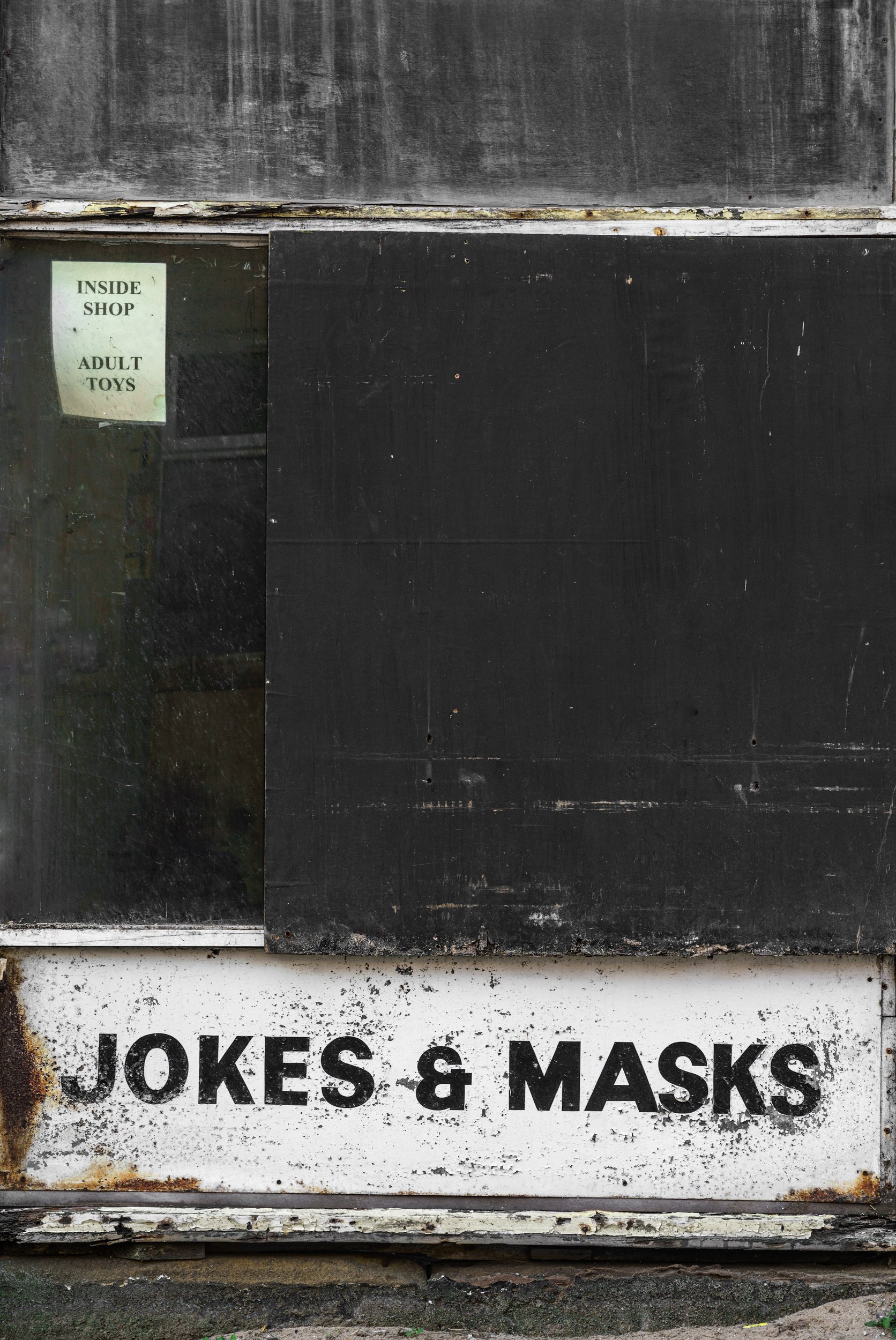
Only in Bi-Polar Blackpool - - photography by Dave Wall

Boarded but Painted - Bi-Polar Blackpool - photography by Dave Wall

Love me some Neon - Bi-Polar Blackpool - photography by Dave Wall

Winter Shutters - Bi-Polar Blackpool - photography by Dave Wall

The Big Wheel at sunset - Bi-Polar Blackpool - photography by Dave Wall

They Shoot Horses, Don't They? Mirrorball sculpture at sunset - Blackpool - photography Dave Wall

Murmuration of Starlings off The North Pier Bi-Polar Blackpool - photography by Dave Wall

The Big One Rollercoaster in the morning fog - Bi-Polar Blackpool - photography by Dave Wall

Winter is Coming - Bi-Polar Blackpool - photography by Dave Wall

Time to make a call Mr Pigeon - Bi-Polar Blackpool - photography by Dave Wall

Abandoned Sofa - Bi-Polar Blackpool - photography by Dave Wall

Flying Solo - Bi-Polar Blackpool - photography by Dave Wall

Rusty Bench - Bi-Polar Blackpool - photography by Dave Wall

More Irony - Bi-Polar Blackpool - photography by Dave Wall

Under The Pleasure Beach - Bi-Polar Blackpool - photography by Dave Wall

Abandoned Americana (The irony isn't lost on me) - Pier Bi-Polar Blackpool - photography by Dave Wall

Inspired - Bi-Polar Blackpool - photography by Dave Wall

Infamous Sheep - Bi-Polar Blackpool - photography by Dave Wall
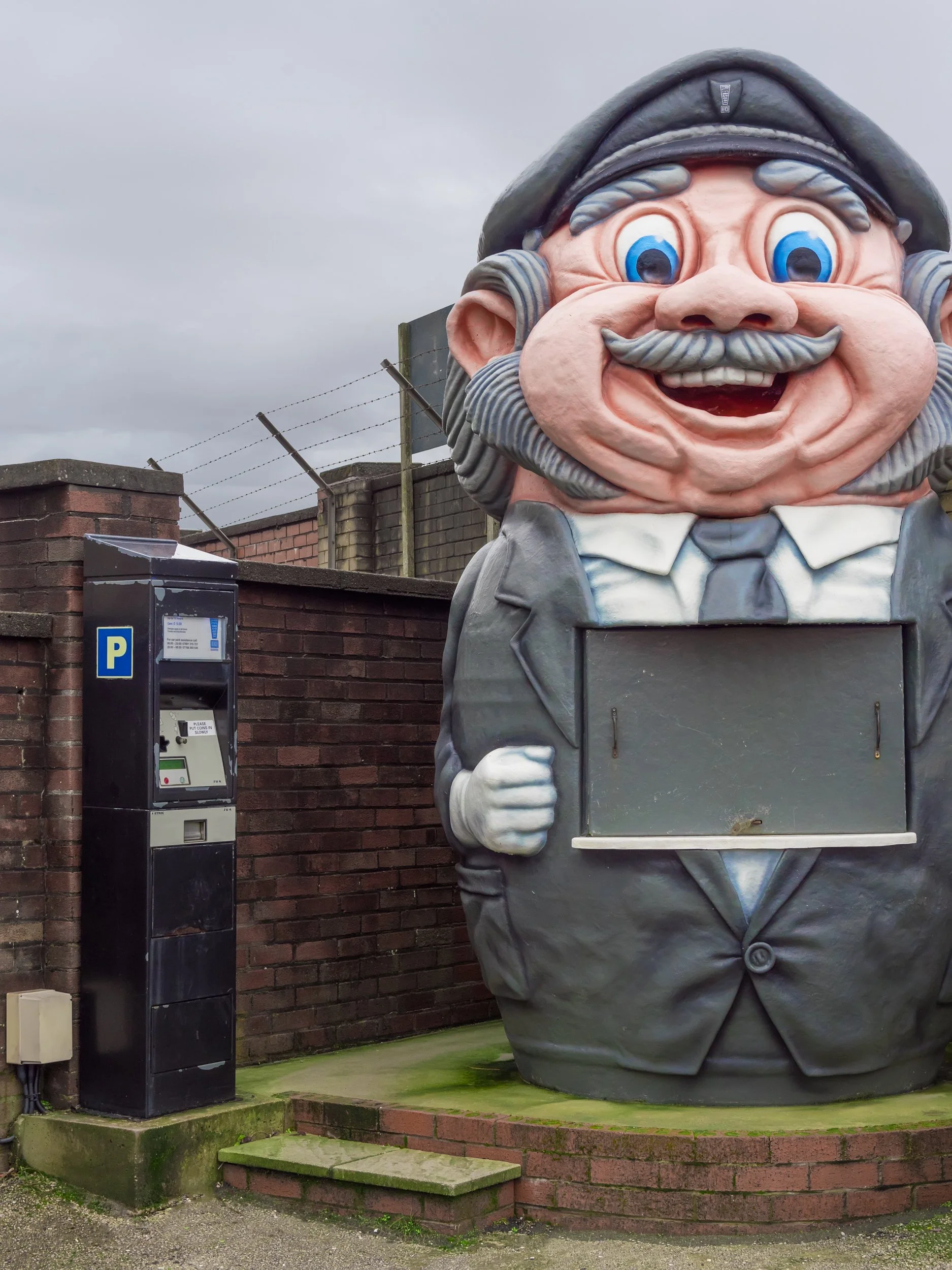
Ticket Office - Bi-Polar Blackpool - photography by Dave Wall
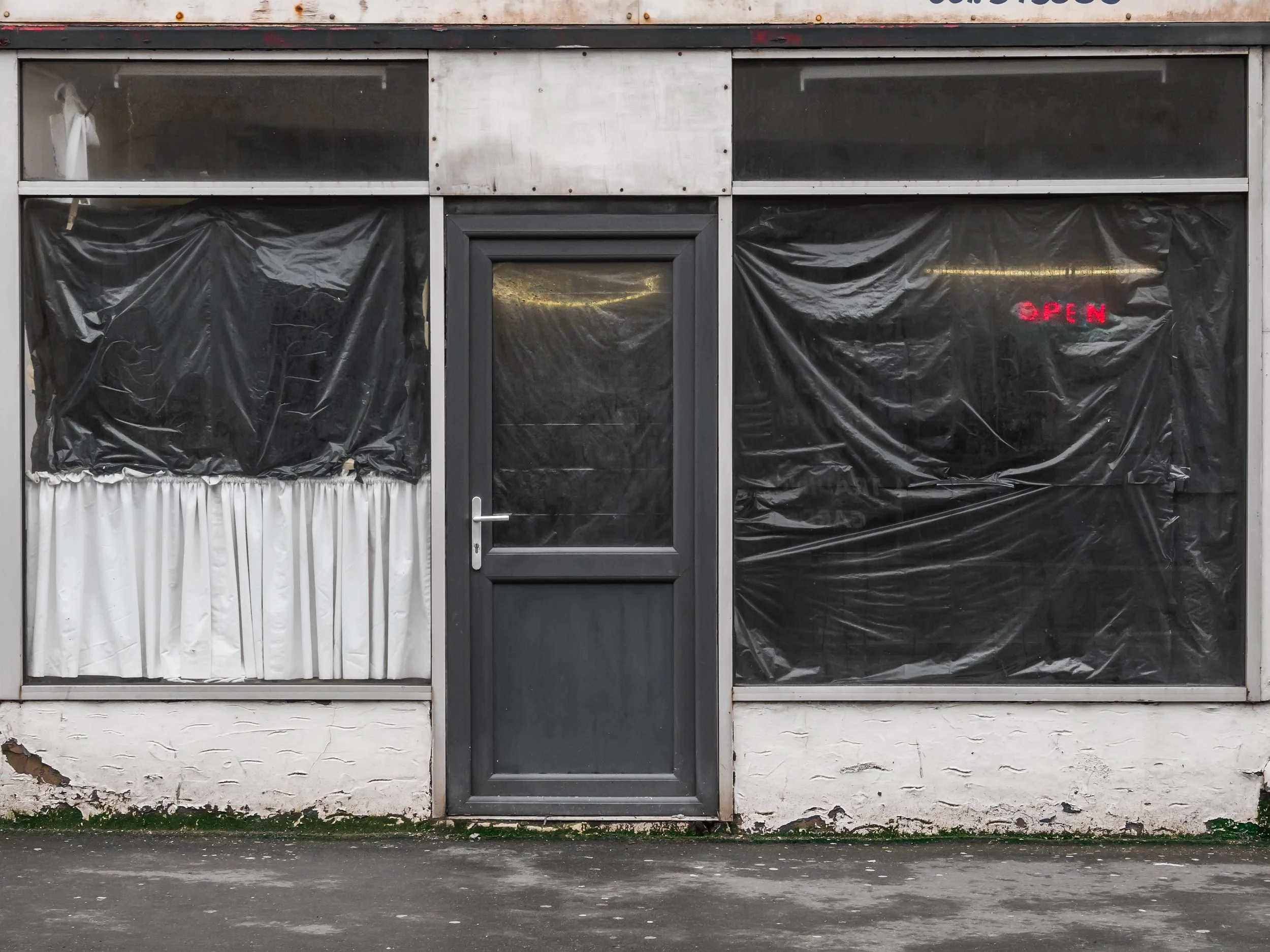
It says OPEN - Bi-Polar Blackpool - photography by Dave Wall

Classy AF - Bi-Polar Blackpool - photography by Dave Wall


Disjointed - Bi-Polar Blackpool - photography by Dave Wall

Tram Cables - Bi-Polar Blackpool - photography by Dave Wall

Weathered Mugshots - Bi-Polar Blackpool - photography by Dave Wall

The "other side" of Bi-Polar Blackpool - photography by Dave Wall

The bit that nobody sees - Bi-Polar Blackpool - photography by Dave Wall
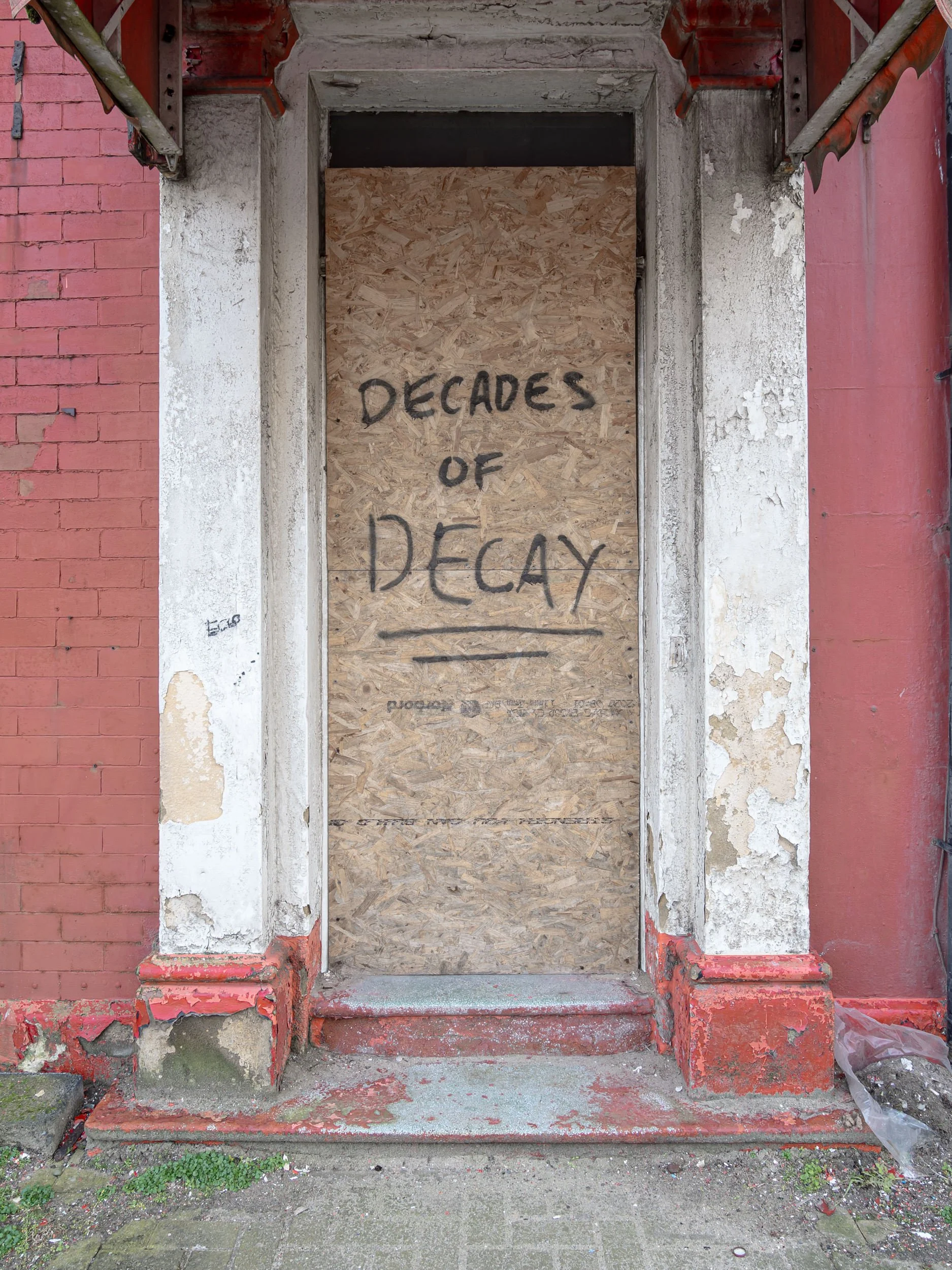
Decades of Decay - Bi-Polar Blackpool - photography by Dave Wall


Dounuts Bonny Street Market (now demolished) - Bi-Polar Blackpool - photography by Dave Wall

Old Skool Rave - Bi-Polar Blackpool - photography by Dave Wall

Victorian Shelter - drug users den - Bi-Polar Blackpool - photography by Dave Wall

Dodgems wrapped for Winter - Bi-Polar Blackpool - photography by Dave Wall

Nothing to say - Bi-Polar Blackpool - photography by Dave Wall

Entrance to Blackpool Civil Courts (very appealing) - now demolished - Bi-Polar Blackpool - photography by Dave Wall

"Low Life" - Bi-Polar Blackpool - photography by Dave Wall

Entrance to Blackpool Civil Courts - now demolished - Bi-Polar Blackpool - photography by Dave Wall

Greggs Austerity - Bi-Polar Blackpool - photography by Dave Wall

Bedsit Land - Bi-Polar Blackpool - photography by Dave Wall

Paint it Pink - Make it Pretty - Bi-Polar Blackpool - photography by Dave Wall

Salt and Vinegar - Bi-Polar Blackpool - photography by Dave Wall

Couldn't agree more - Bi-Polar Blackpool - photography by Dave Wall

No Vacancies - Bi-Polar Blackpool - photography by Dave Wall
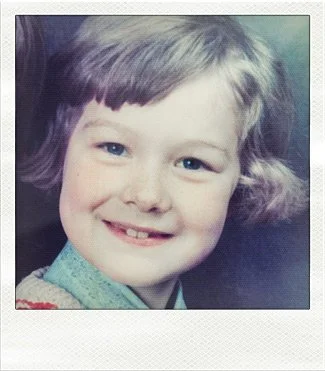
circa 1975
Thanks Mum
school photo haircut
obviously cut with a potato